Build a Budget Pantry & Slash Your Grocery Bill Fast
Rising grocery prices are on everyone’s mind these days. You open your cart at the store and—bam—your weekly bill is higher than expected. Every trip seems to cost more, and your cart looks smaller. That’s why building a budget-friendly pantry is essential. By stocking DIY staples and planning strategically, you can save money, reduce waste, and even protect your family from inflation.
Ready to take control of your grocery bill? Start building your budget-friendly pantry today. Make your list, plan your approach, and begin shopping smart—your wallet will thank you.
When you make your own taco seasoning, broth, condiments, and baked goods, you are not just saving money; you are also creating a healthier, more authentic experience. You are taking control of what goes into your food, reducing packaging waste, and creating a buffer against the next price hike. A well-stocked pantry means fewer emergency runs to the store, less food waste, and more flexibility when meal planning.
In the following sections, you will discover exactly how to build a budget-friendly pantry from scratch, which essential ingredients to prioritize, and the simple steps to transform basic supplies into weekly staples.
This post may contains affiliate links. I earn a small commission from purchases at no extra cost to you. See my full disclosure here.
Why a Budget-Friendly Pantry Matters More Than Ever
Grocery inflation is here to stay, squeezing families on each shopping trip. A budget pantry turns your kitchen into a money-saving tool, even as prices climb.
With the right ingredients and simple DIY recipes, you stop paying for convenience. You are no longer limited by sales or a shrinking budget. Instead, you have the staples to create meals, snacks, and basics when needed.
Here is what a smart pantry does for your budget:
- Bulk spices like cumin and garlic powder cost less than prepackaged seasoning blends, and yield far more.
- Versatile staples help you use what you have, preventing produce from rotting or jars from being wasted.
- A stocked pantry means you are never forced to pay full price or buy at the last minute.
- Protects you from future price increases. Bulk buying shelf-stable staples locks in today’s prices and shields you from the next round of inflation.
The families saving the most money are not always those with the largest budgets. They have the strongest systems. A budget pantry is not about deprivation—it’s about preparation, control, and stretching your dollars further without compromising quality or taste.
What to Stock in Your Budget-Friendly Pantry
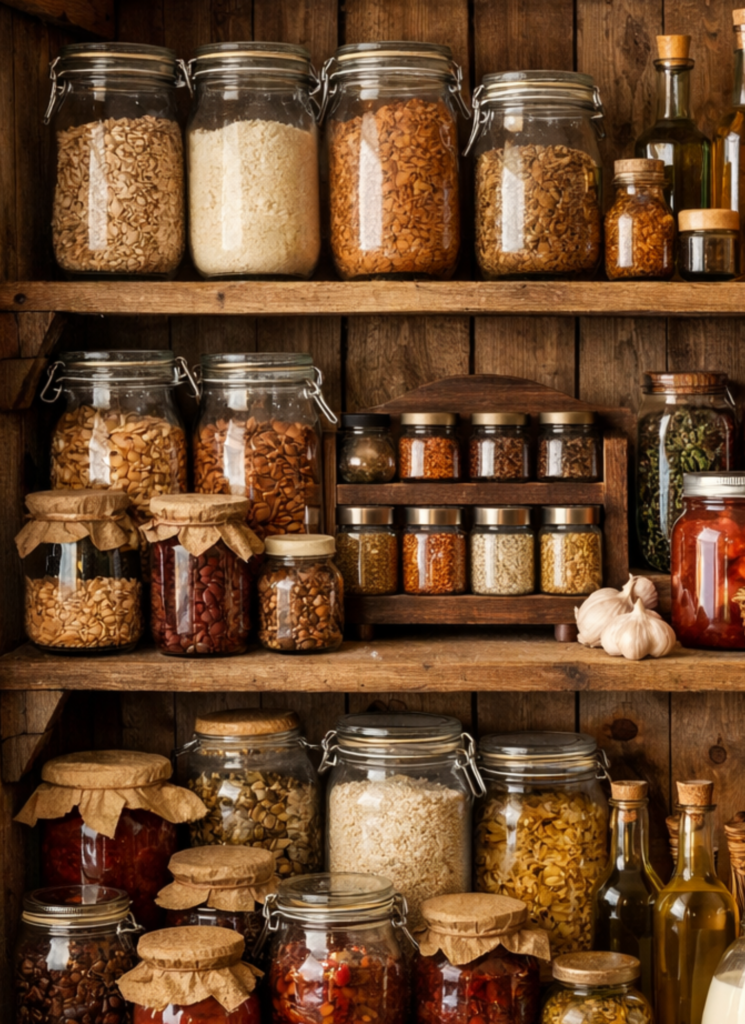
Transitioning from overall savings to strategy, it’s essential to realize that the best budget pantry isn’t filled with random sale items. Instead, high-use, multipurpose ingredients form the backbone of dozens of recipes. These are the workhorses that replace expensive store-bought products and give you maximum flexibility for minimal cost.
Grains and Starches
- White rice, brown rice, and jasmine rice
- Rolled oats and quick oats
- All-purpose flour and whole wheat flour
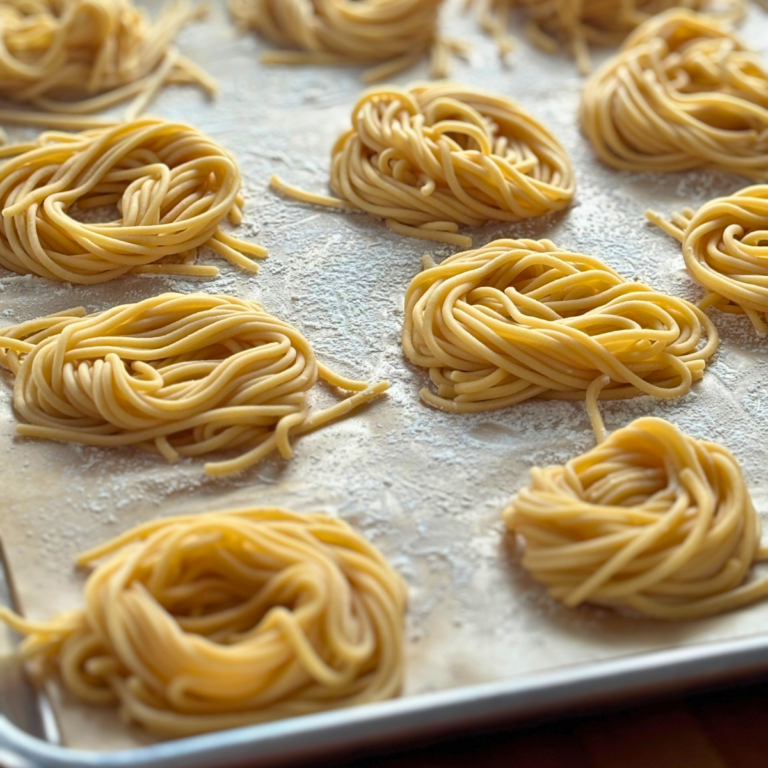
- Pasta in multiple shapes
- Cornmeal and breadcrumbs
These staples cost pennies per serving and can anchor breakfast, lunch, or dinner. Oats alone can be used to make oatmeal, granola, muffins, cookies, or even a meatloaf binder.
Proteins and Legumes
- Dried beans (black, pinto, chickpeas, lentils)
- Canned beans as a backup
- Peanut butter and other nut butters
- Eggs (bought weekly but essential)
- Dried split peas
Beans are the ultimate budget protein. A one-pound bag costs about $2 and yields 8 servings. Compare that to meat, and the savings are staggering. Lentils cook in 20 minutes without soaking, making them a weeknight hero.
Flavor Builders and Seasonings
- Garlic powder, onion powder, cumin, chili powder, paprika
- Dried oregano, basil, thyme, and bay leaves
- Salt, black pepper, and red pepper flakes
- Soy sauce, vinegar (white, apple cider, and balsamic)
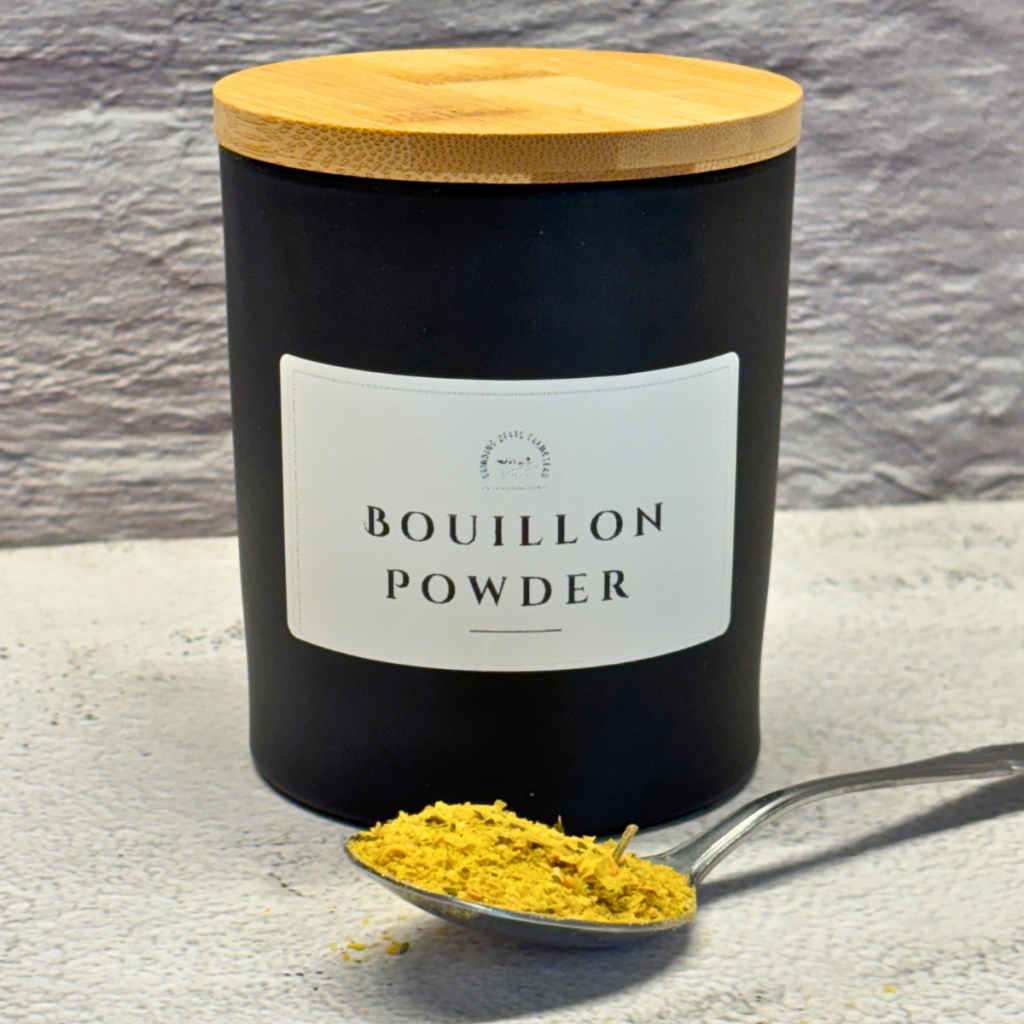
- Bouillon cubes or better-than-bouillon paste
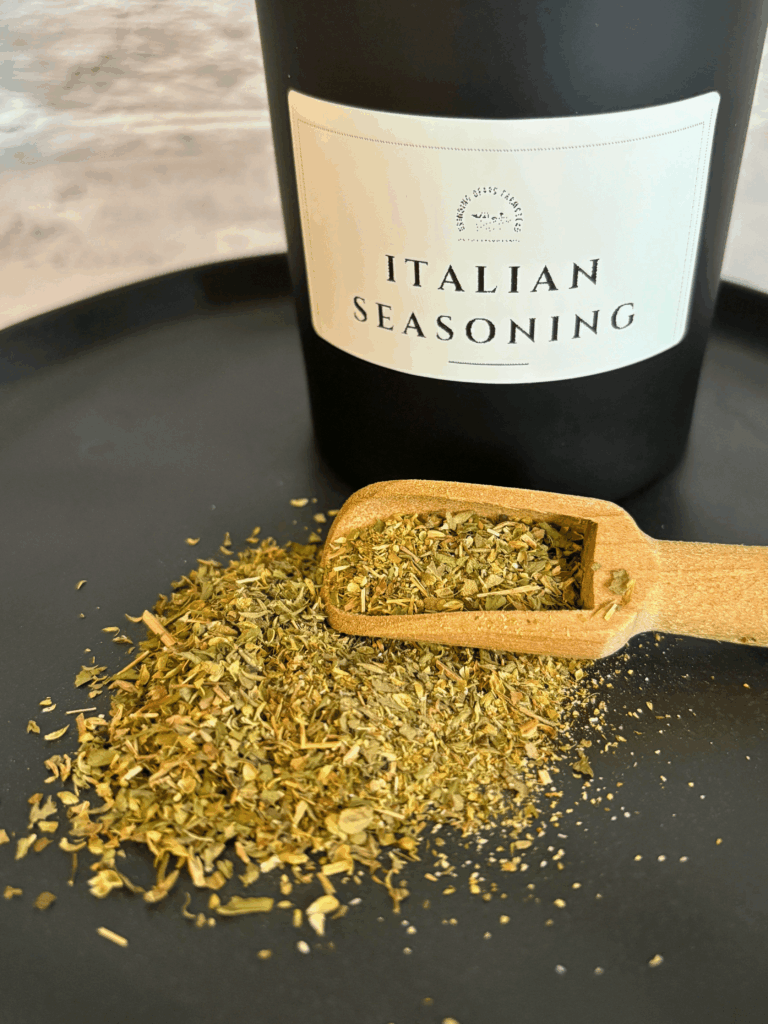
With the right spices, you can skip premade blends like taco and Italian seasoning. Homemade taco seasoning costs about 50 cents and tastes better than store-bought. Check out my DIY Taco Seasoning recipe for the exact ratios.
Baking Essentials
- Granulated sugar, brown sugar, and powdered sugar
- Baking soda and baking powder
- Vanilla extract
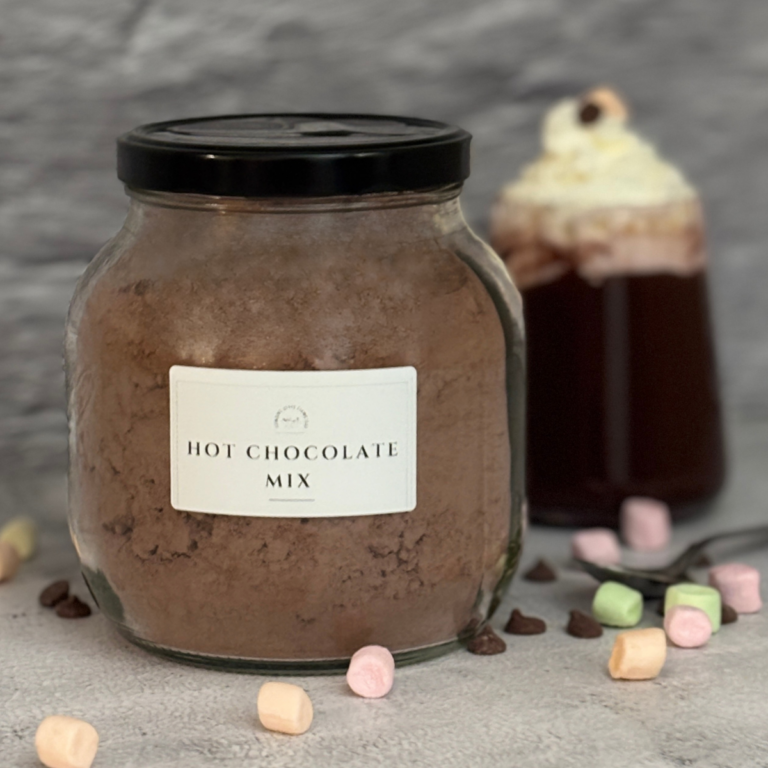
- Cocoa powder
- Cornstarch
Once you have these on hand, you can make pancakes, muffins, cookies, cakes, and biscuits without a boxed mix. My Refrigerator Bran Muffins recipe uses pantry staples and stays fresh for days, so you can have grab-and-go breakfasts all week.
Oils, Fats, and Condiments
- Olive oil
- Butter (buy on sale and freeze)
- Mayonnaise, mustard, and ketchup
- Hot sauce and Worcestershire sauce
Many condiments are shockingly easy to make at home. Homemade mayo takes 5 minutes and costs half as much as store-bought.
Homestead Pro Tip:
A pantry stocked with these categories gives you the flexibility to cook almost anything without having to run to the store. You are building a foundation that pays dividends every single week.
DIY Pantry Staples That Save You the Most Money
Making your own pantry staples is not about becoming a homesteader. It means replacing products you buy most often with versions that cost less and take minutes to make.
- Homemade Broth
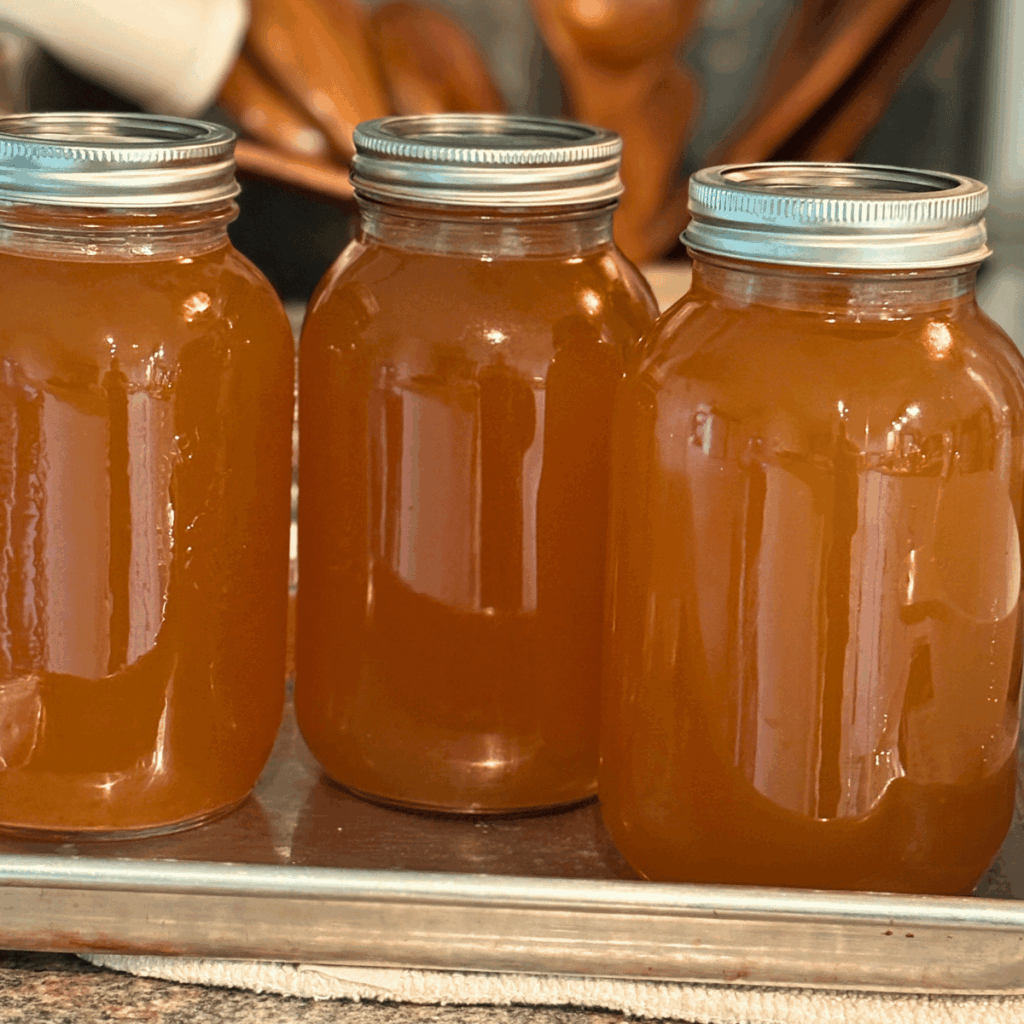
- Stop buying broth cartons for $4 dollars each. Save vegetable scraps, chicken bones, and herb stems in a freezer bag, then simmer with water and seasonings for 12-24 hours. Strain, cool, and freeze in portions. One batch costs almost nothing and yields a minimum of eight cups. Learn how easy it is to make Homemade Broth.
- DIY Taco Seasoning
- A store-bought packet costs over a dollar and contains one tablespoon of seasoning. Mix your own with chili powder, cumin, garlic powder, onion powder, paprika, oregano, salt, and a pinch of cayenne. One batch costs 50 cents, makes enough for four meals, and tastes fresher. Grab the full recipe with measurements here: DIY Taco Seasoning.
- Refrigerator Bran Muffins
- Instead of buying muffins or breakfast bars, make a big batch of bran muffin batter and keep it in your fridge for up to 6 weeks. Scoop and bake fresh muffins whenever you need them. The per-muffin cost is around 25 cents compared to two dollars for bakery muffins. See the recipe here: Refrigerator Bran Muffins.
- Sourdough Discard Cookies
- If you bake with sourdough starter, you are tossing valuable discard that can become cookies, crackers, pancakes, and more. These cookies use discard instead of letting it go to waste, and they cost pennies per batch. Get the recipe: Sourdough Discard Cookies.
- Homemade Condiments & Pantry Swaps
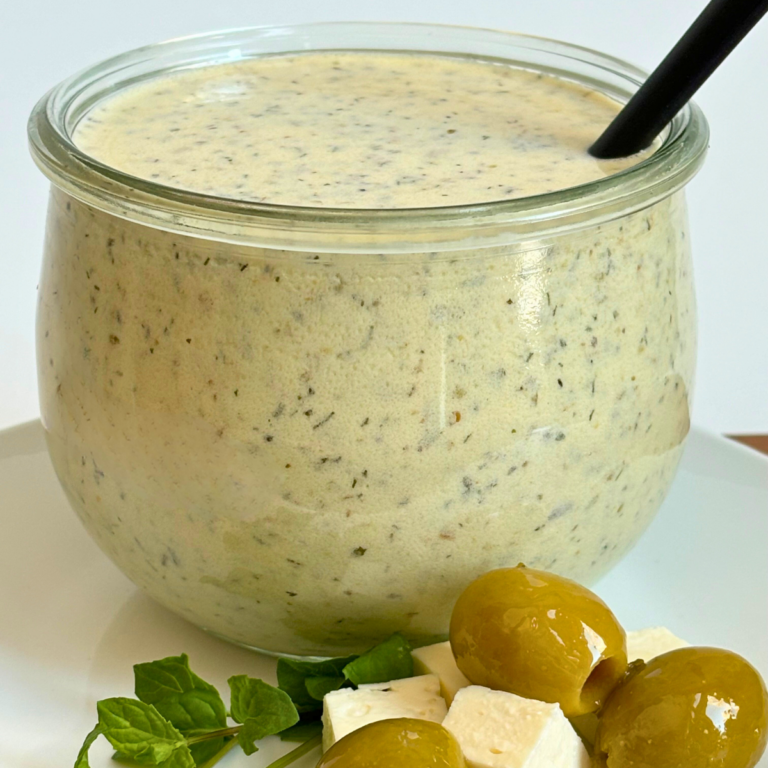
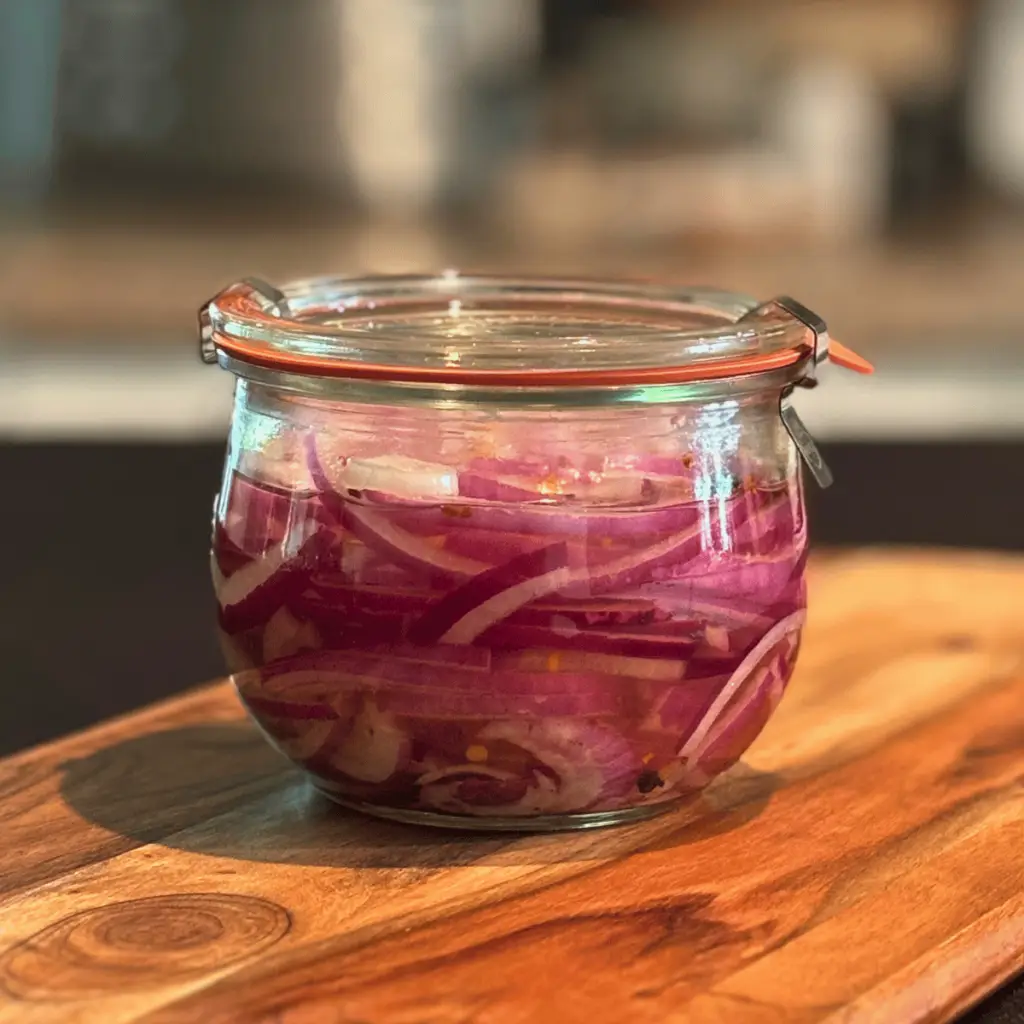
- Ketchup, mustard, salad dressings, and Quickles are all pantry-shelf staples you can make in under ten minutes. Homemade versions contain no preservatives, taste better, and cost 50 to 70 percent less than store-bought. Check out the full collection: Homemade Condiments and Pantry Swaps.
- Each of these swaps saves you $2–$5 per use. Do the math over a month, and you are looking at $50 to $100 back in your budget without changing what you eat.
Most families overspend on groceries simply because their pantry isn’t set up right.
How to Build Your Pantry on a Tight Budget
You do not need to buy everything at once. In fact, trying to stock a full pantry in one trip is a fast way to blow your budget and feel overwhelmed. The smartest approach is to build gradually using a prioritized, one-month plan
- Week 1: Start with grains, oils, and salt. Buy rice, pasta, flour, oats, and a basic cooking oil. Add salt, pepper, and garlic powder. These ingredients form the base of almost every meal.
- Week 2: Add beans, canned tomatoes, and a few more spices. Stock dried beans or lentils, a few cans of diced tomatoes, and expand your spice collection with cumin, chili powder, and Italian seasoning.
- Week 3: Build your baking stash. Grab sugar, baking powder, baking soda, and vanilla extract. Now you can make muffins, pancakes, and cookies without boxed mixes.
- Week 4: Round out proteins and flavor boosters. Add peanut butter, bouillon or broth base, vinegar, and soy sauce. Stock up on eggs and butter when they go on sale.
Homesteading Tip:
By spreading purchases across four weeks, you are investing 20 to 30 dollars per week instead of trying to find 120 dollars all at once. Within a month, you have a functioning pantry that cuts your weekly grocery spending by 30-40%.

Buy in bulk when it makes sense. Warehouse clubs and bulk bins offer significant per-unit savings on items you use constantly. Rice, oats, flour, sugar, and dried beans are perfect bulk candidates. If the upfront cost feels steep, split a bulk order with a friend or family member.
Stockpile when items are on sale. When flour or pasta drops in price, buy multiples. These staples won’t spoil, and locking in sale prices shields you from the next price hike.
Homestead Tip:
Building a budget pantry is not a one-time project. It is an ongoing strategy that saves you more money the longer you stick with it.

Common Pantry Mistakes That Cost You Money
Even well-intentioned pantry builders make mistakes that waste money, create clutter, and lead to frustration. Avoid these traps, and your pantry will work harder for your budget.
- Buying ingredients you will not actually use. That jar of sumac or tin of saffron might sound exciting, but if you do not have a plan to use it within three months, it is just expensive shelf decoration. Stick to ingredients that appear in at least three recipes you make regularly.
- Ignoring expiration dates on spices and baking powder. Ground spices lose potency after six months to a year. Baking powder goes flat and stops working. If your cookies are not rising or your chili tastes flat, check the dates. Replace what is dead, and store spices in a cool, dark spot to extend their life.
- Not rotating stock. When you add new items to your pantry, move the older ones to the front. This simple habit prevents waste and ensures you use what you bought before it expires.
- Storing bulk items in their original packaging. Flour, sugar, rice, and oats need to be stored in airtight containers to stay fresh and pest-free. A five-pound bag of flour in a flimsy paper sack is an invitation for bugs and moisture. Invest in a few stackable, airtight bins and label them clearly.
- Overbuying perishables in bulk. Bulk pricing feels like a deal until half of it spoils before you use it. Dried and shelf-stable goods are perfect for bulk buying. Fresh produce, bread, and dairy are not unless you have a plan to freeze or preserve them immediately.
Pin for Later
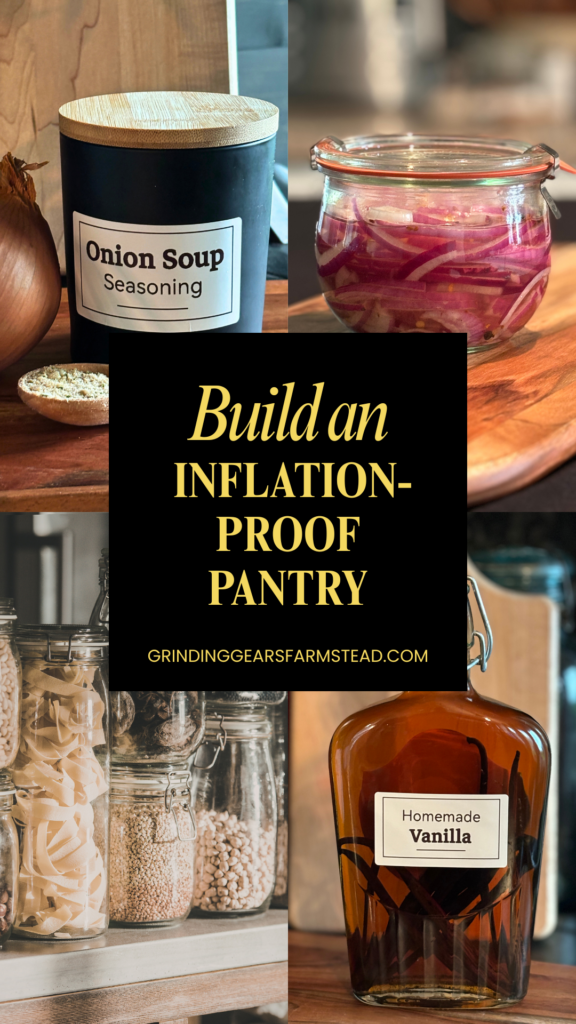
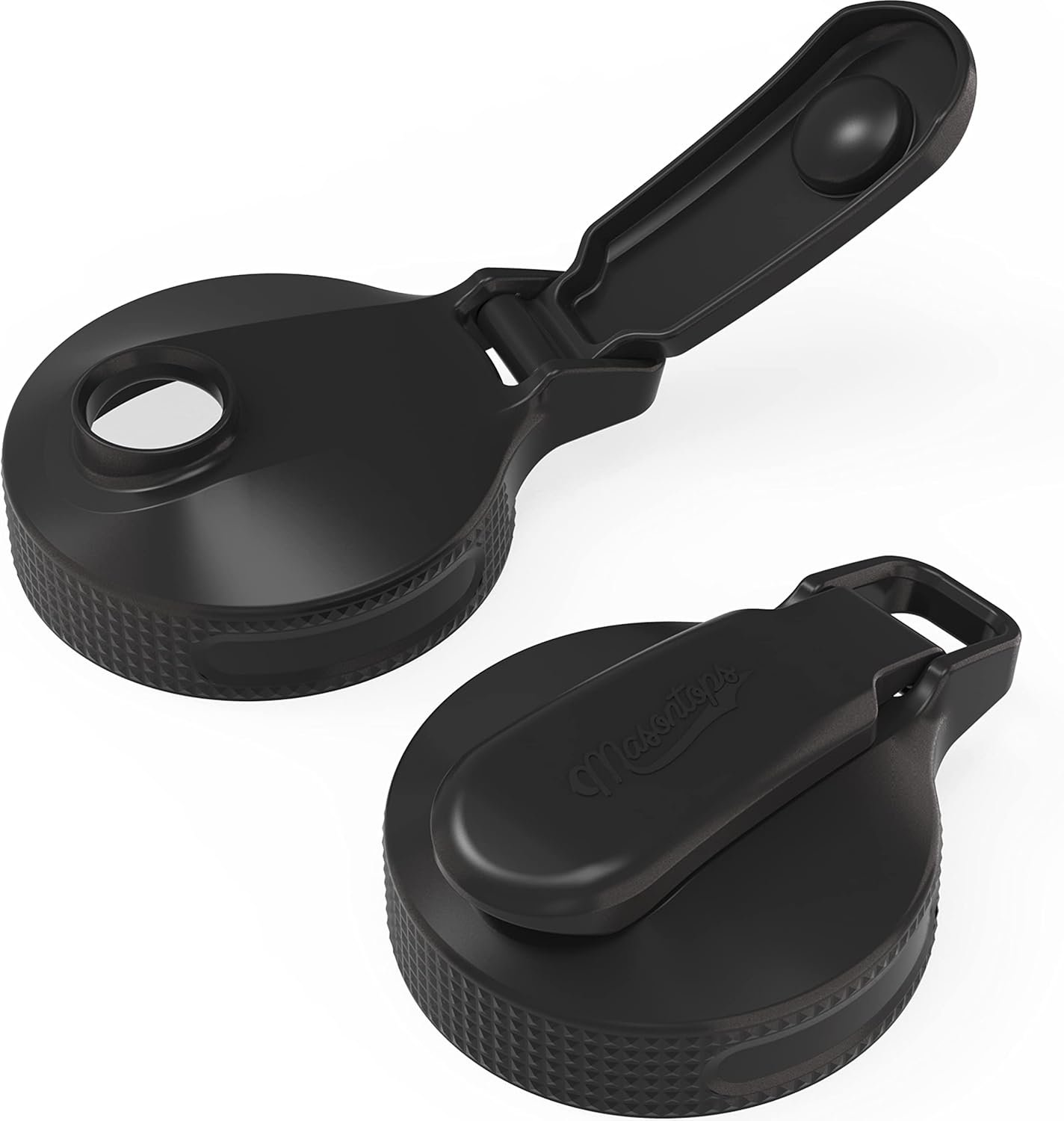
Special Tools (affiliate links): Glass Jars with Lids | Glass Jars with Bamboo Lids | Mason Jar lids | Gamma Lids |
In summary, your pantry isn’t just a storage space—it’s a strategic tool. With thoughtful planning, the right staples, and a few homemade swaps, you can transform how you spend and save.
Start with the one-month plan, stock your staples, and swap just one or two store-bought products for homemade. The savings add up quickly, and the peace of mind that comes with a well-stocked kitchen is invaluable. Grab my free Budget Pantry Starter Checklist for a complete shopping list, storage advice, and a month-by-month plan to slash grocery costs without sacrificing the meals your family loves.
Lechyd Da, (means “Cheers to Good Health” in Welsh)