Best Homemade Greek Seasoning Recipe (Easy & Versatile)
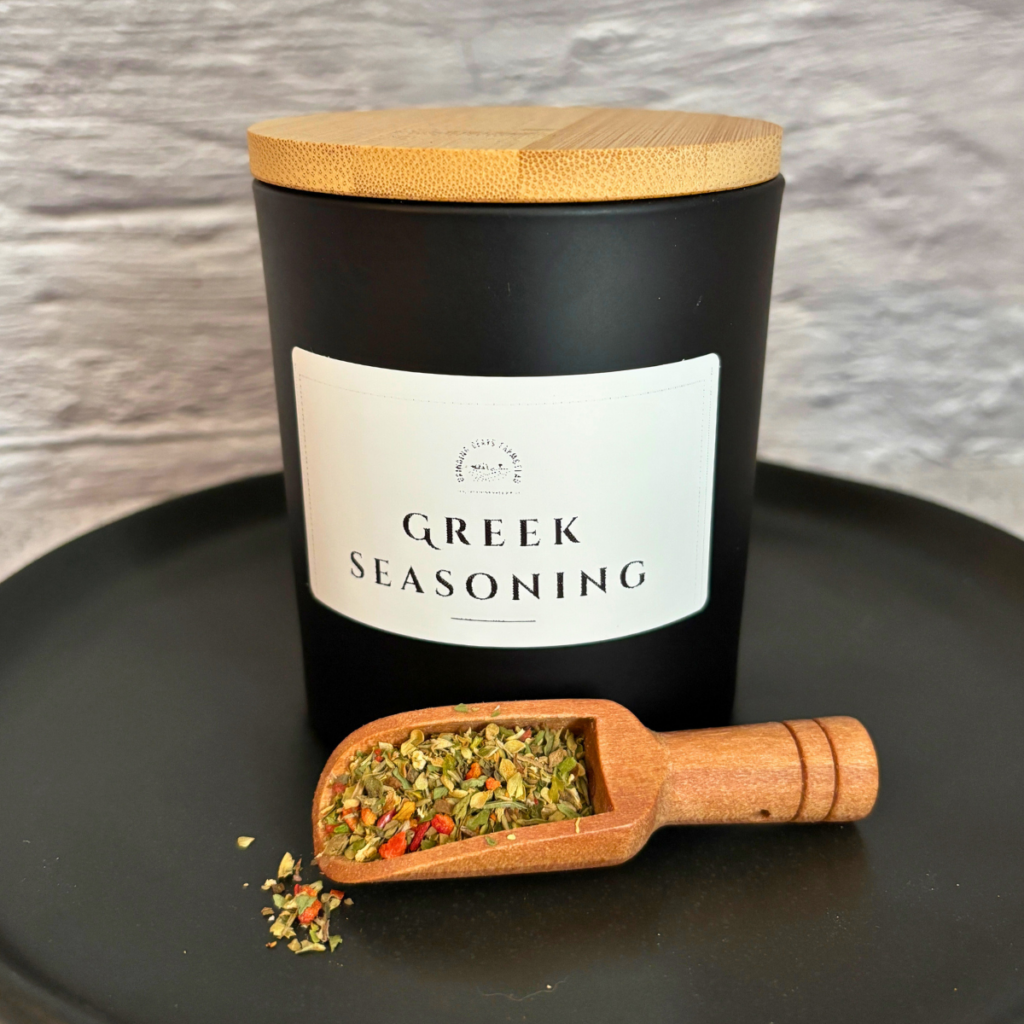
You know that little jar of Greek seasoning hiding in the back of your spice cabinet? The one with the tiny print, the mystery “natural flavors,” and the price tag that makes you squint? Yeah… we don’t need it.
Making your own Greek seasoning at home with this easy recipe gives you better flavor, full control, and the satisfaction of knowing exactly what went into it. Around here at Grinding Gears Farmstead, we’re all about pantry staples, simple systems, and cutting out the middleman when we can.
This post may contain affiliate links. I earn a small commission from purchases at no extra cost to you. See my full disclosure here.
Why You’ll Love This Homemade Greek Seasoning Blend
- Most pre-mixed blends rely heavily on salt to carry flavor. This one relies on herbs.
- By adding marjoram and dill to the traditional oregano base, the blend gains depth and versatility. It works just as well on roasted chicken as it does stirred into yogurt or sprinkled over vegetables.
- When you make it yourself:
- You control the salt.
- You skip additives.
- You adjust the flavor to your taste.
- You stretch your pantry further.
Dried herbs maintain their potency when stored properly, often lasting 6–12 months at peak flavor. That means a well-stocked spice shelf can replace a whole row of specialty blends.
Ingredients for Homemade Greek Seasoning Recipe
- 2 tablespoons dried oregano
- 1 tablespoon dried basil
- 1 tablespoon dried parsley
- 1 teaspoon dried thyme
- 1 teaspoon dried marjoram
- 1 teaspoon dried dill weed
- 1 teaspoon garlic powder
- 1 teaspoon onion powder
- ½ teaspoon black pepper
- ½ teaspoon salt
- 1/2-1 tsp of dried lemon zest powder (optional)
- 1 tablespoon freeze-dried sweet peppers (finely chopped) (optional)
Homestead Pro Tip:
Add Lemon Zest Powder for Brightness
If you want to take this blend one step further, add ½ –1 teaspoon dried lemon zest powder to the batch.
That small addition adds brightness and lifts the entire seasoning, especially on chicken and vegetables. It mimics the fresh squeeze of lemon you often see in Mediterranean dishes.
If you dehydrate or freeze dry your own citrus peels, grind them finely and add to smaller batches so the flavor stays fresh.
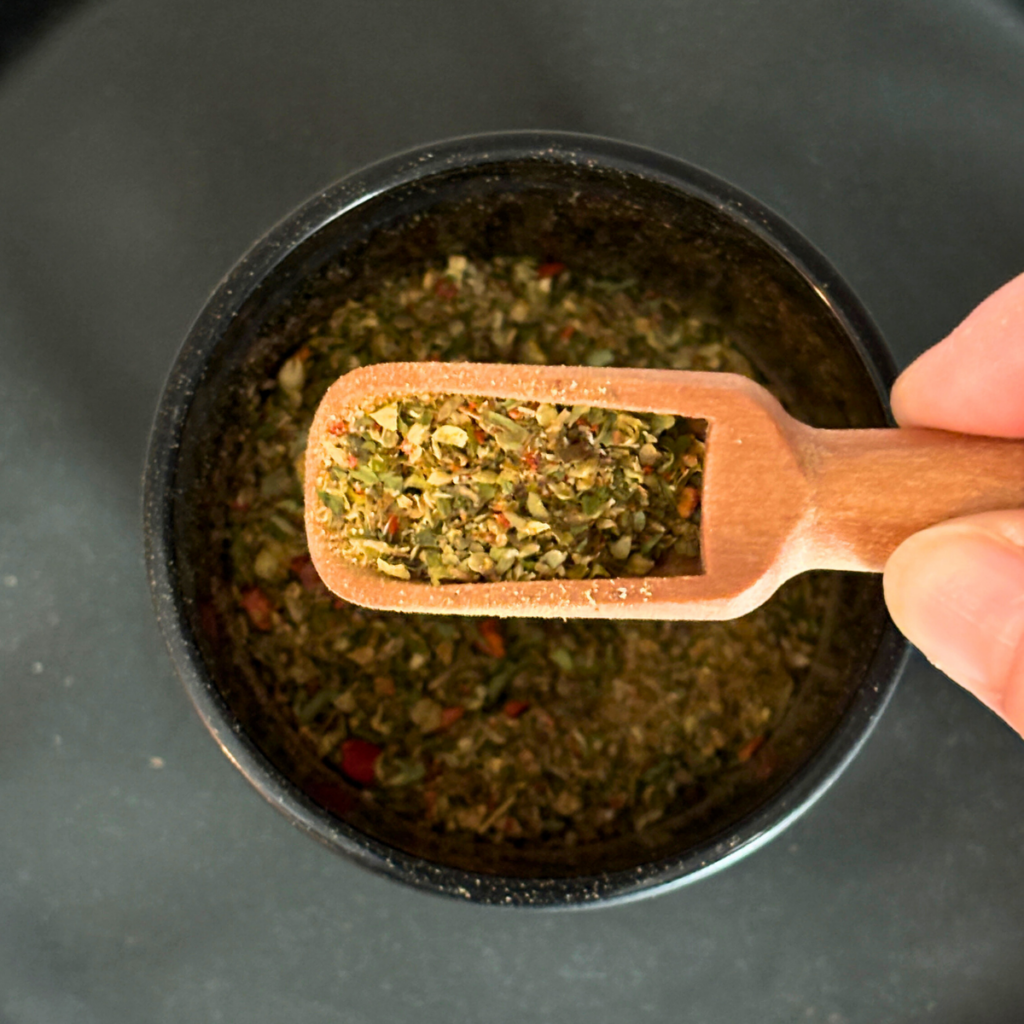
Instructions to Make Homemade Greek Seasoning
This is about as straightforward as it gets.
- Measure all ingredients into a bowl.
- Stir thoroughly until evenly combined.
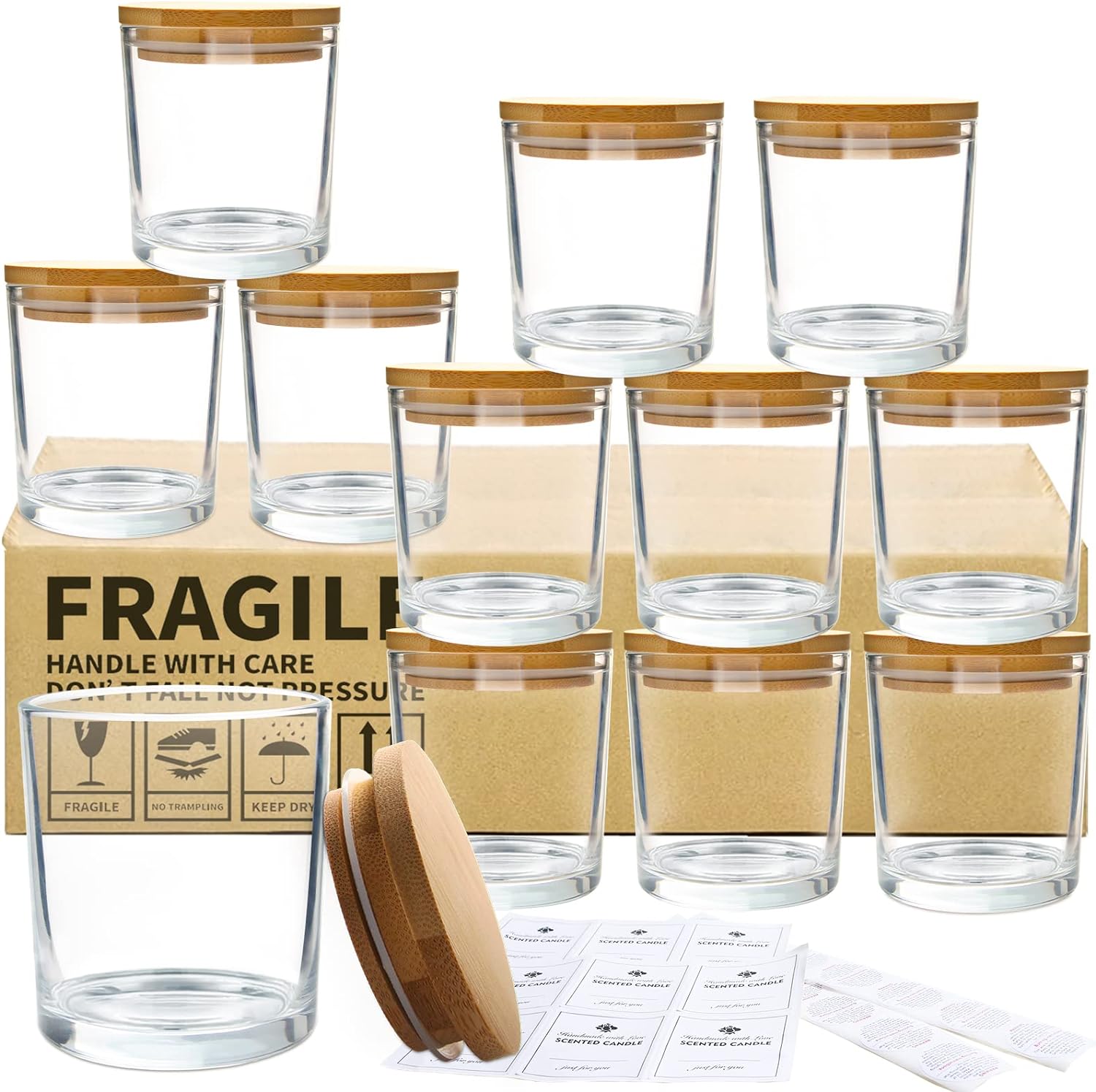
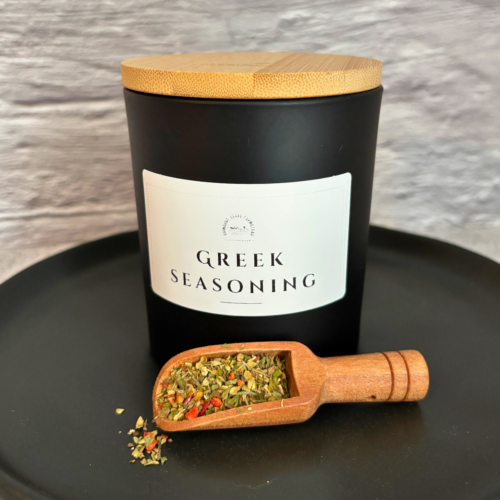
- Transfer to a clean jar. with a tight-fitting lid. Store in a cool, dry place.
If you prefer a finer texture, pulse it briefly in a spice grinder. I usually leave it slightly coarse — it feels more honest and homemade.
Mixing small batches keeps flavors strong. Once herbs are combined, their aroma gradually fades, so fresh blends taste better.
Homesteading Tip:
Double the recipe if you cook often with Mediterranean flavors, but only mix what you’ll use within a few months.
Ways to use this Homemade Greek Seasoning
This blend pulls its weight in the kitchen. Use it on:
- Roasted potatoes with olive oil
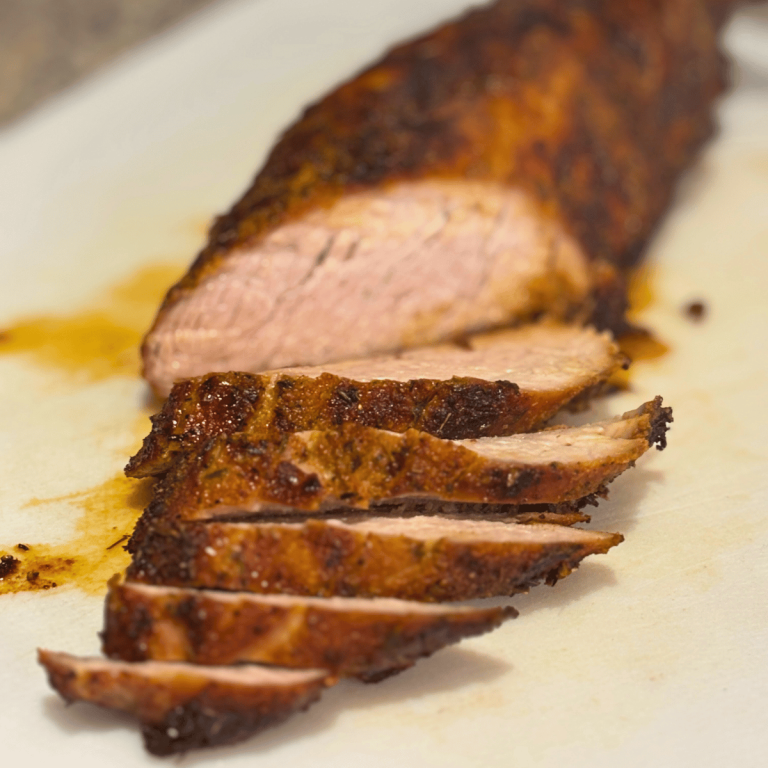
- Grilled or baked chicken
- Ground beef or lamb
- Homemade vinaigrettes
- Roasted vegetables
- Sprinkled over feta or cottage cheese
If you want a ready-made way to use it, try it in this Creamy Greek Salad Dressing — it turns the seasoning into a rich, tangy dressing that also doubles beautifully as a dip for vegetables, pita, or even alongside souvlaki. It’s one of those recipes that makes you wonder why you ever bought bottled dressing. This is our version of Mamais sauce.
You can also see it shine in this Greek Bow Tie Pasta Salad with Marinated Artichokes, where the seasoning ties together pasta, vegetables, and bold Mediterranean flavors in one simple dish. And of course, it’s the backbone of our Greek souvlaki, transforming simple chicken or pork into something fresh, herb-forward, and full of flavor straight from your own pantry.
Try tossing chopped potatoes with olive oil and 1–2 tablespoons of seasoning before roasting. Or mix 1 tablespoon seasoning with ¼ cup olive oil and fresh lemon juice for a simple marinade.
The addition of dill in this recipe makes it especially useful in cold dishes, such as Greek yogurt sauces or cucumber salads.
Homestead Tip:
Season meat at least 30 minutes before cooking to allow the herbs to hydrate and flavor the surface.
How to Store the Homemade Greek Seasoning Mix
Keep your seasoning in an airtight glass jar away from light, heat, and moisture. A cool cabinet is ideal.
Dried herbs don’t spoil quickly, but they lose strength over time. Plan to refresh your blend every 6–12 months for the best flavor.
Label your jar with the date you mixed it. That one small habit keeps your pantry organized and efficient.
Frequently Asked Questions:
1. Can I leave out the salt?
Yes. If you prefer salting dishes separately, simply omit it.
2. Is dill traditional in Greek seasoning?
Some blends include it, some don’t. Adding dill increases versatility, especially for Greek yogurt-based dishes and dressings.
3. How much should I use per pound of meat?
Start with 1 tablespoon per pound and adjust to taste.
4. Can I make this without marjoram?
You can, but marjoram softens oregano’s intensity and makes the blend more balanced
5. How long will this seasoning last?
For best flavor, use within 6–12 months when stored properly in an airtight container.
Pin for Later
Special Tools (affiliate links): Glass Jars with Bamboo Lids | Clear Glass Jars with Bamboo Lids | Wooden Spice Scoops |
When you start mixing your own seasonings, something shifts. You stop relying on labels and start relying on your pantry—choosing the ingredients, making adjustments, and fine-tuning everything to your liking.
This Greek seasoning blend is simple, flexible, and built from herbs you likely already have. With the addition of marjoram and dill, it’s even more versatile — equally at home on roasted meat, stirred into yogurt, or mixed into a creamy dressing.
Stock your spice drawer with the basics. Learn how they work together. And little by little, you’ll find you don’t need those grocery store jars nearly as much as you thought.
If you try this recipe and love it, I would love it if you could come back and give it a 5-star rating!
And don’t forget to follow us on Pinterest for more delicious recipes and homestead inspiration!
Lechyd Da, (means “Cheers to Good Health” in Welsh)

Best Homemade Greek Seasoning Recipe (Easy & Versatile)
Ingredients
- 2 tablespoons dried oregano
- 1 tablespoon dried basil
- 1 tablespoon dried parsley
- 1 teaspoon dried thyme
- 1 teaspoon dried marjoram
- 1 teaspoon dried dill weed
- 1 teaspoon garlic powder
- 1 teaspoon onion powder
- ½ teaspoon black pepper
- ½ teaspoon salt
- 1/2 – 1 teaspoon of dried lemon zest powder
- 1-1½ tablespoons freeze-dried sweet peppers (finely chopped) (optional)
Instructions
- Measure all ingredients into a bowl.
- Stir thoroughly until evenly combined.
- Transfer to a clean jar. with a tight-fitting lid. Store in a cool, dry place.